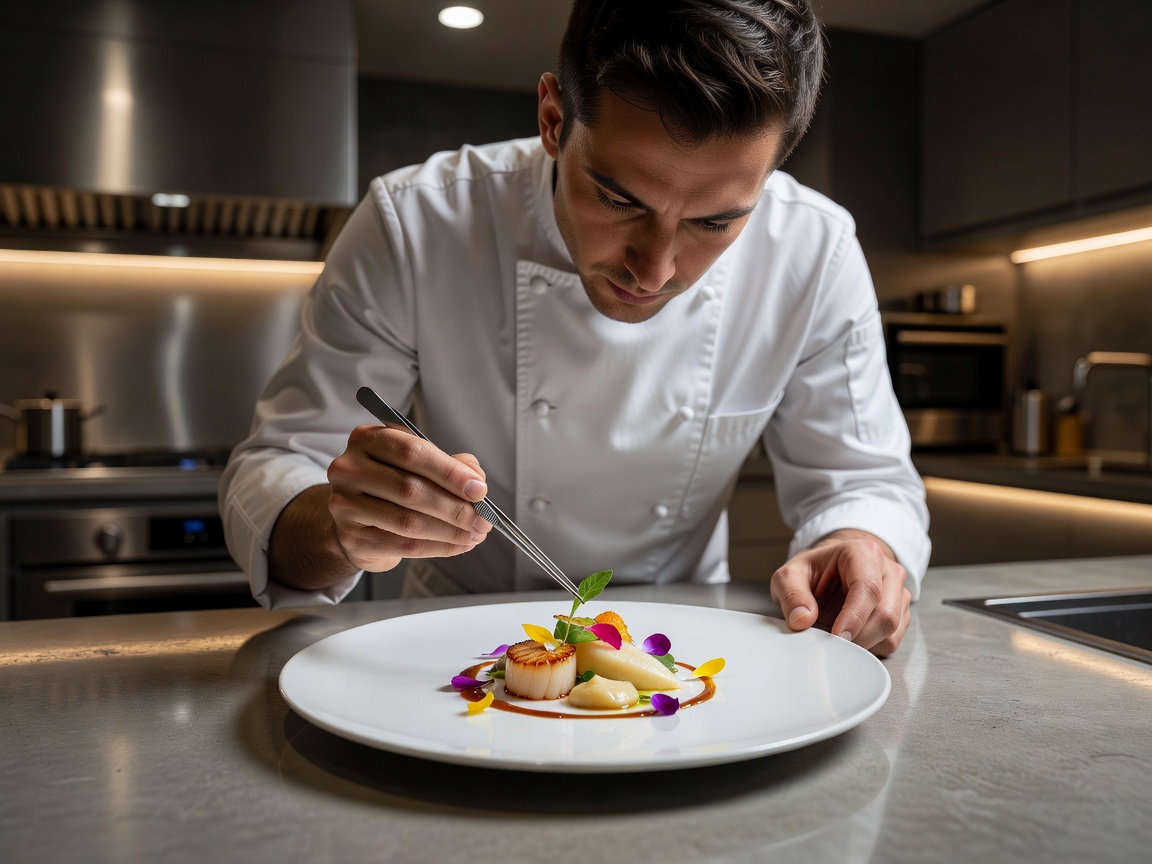
For decades, the concept of fine dining was inseparable from a rigid set of signifiers: heavy white tablecloths, hushed dining rooms, strict dress codes, and highly formal, almost choreographed service. Today, the landscape of haute cuisine has undergone a radical transformation. The focus has decisively shifted away from traditional ostentation and toward authenticity, hyper-seasonality, and experiential storytelling.
The Shift from Formality to Experience
Modern diners, particularly younger demographics with high disposable incomes, increasingly prioritize unique experiences over traditional luxury markers. They are less interested in eating in a room that feels like a museum and more interested in the narrative behind the meal. This has led to the rise of "casual fine dining"—spaces that feature raw aesthetics, curated playlists, and relaxed, highly knowledgeable service without the pretense of formal attire.
Chefs are now positioned as storytellers. A tasting menu is no longer just a display of technical culinary skill; it is often a highly personal journey reflecting the chef's heritage, travels, or specific culinary philosophy. The dining room has evolved to break the fourth wall, with open kitchens and chef counters becoming standard features, allowing guests to witness the intense, focused energy of the brigade system firsthand.
Sourcing and the Premium Ingredient Focus
In the past, luxury ingredients meant caviar, foie gras, and truffles imported from across the globe. While these remain popular, the modern definition of a premium ingredient has expanded to include hyper-local, painstakingly sourced produce. A flawlessly grown heirloom tomato sourced from a farm just ten miles away can command as much reverence on a tasting menu as a rare truffle.
This shift requires chefs to forge deep relationships with local agricultural communities, foragers, and artisanal producers. The supply chain has become a core component of the restaurant's marketing and identity. Diners are educated by the staff on the provenance of each element on the plate, adding perceived value through transparency and exclusivity.
Tasting Menus: Pros, Cons, and Pacing
The tasting menu remains the dominant format in the upper echelons of the restaurant industry. From a business perspective, it offers incredible operational advantages. It allows a kitchen to eliminate waste, precisely forecast inventory, and control the exact experience every guest receives.
However, the format is not without its critics. Detractors argue that lengthy, multi-hour tasting menus can suffer from palate fatigue and dictate the terms of the evening too rigidly to the guest. A successful tasting menu must balance several crucial factors:
- Pacing: Ensuring the gaps between courses are neither rushed nor agonizingly long.
- Progression: Building intensity in flavor, starting from delicate raw courses up to rich, savory peaks.
- Portion Control: Calculating the exact mass of food so the diner leaves satisfied, not overwhelmed.
The Economics of the White Tablecloth
Operating a fine dining establishment is notoriously challenging from an economic standpoint. The margins are incredibly thin. While the check averages are high, the overhead costs are astronomical. These restaurants require a highly skewed staff-to-guest ratio, expensive real estate, constant replacement of fragile bespoke ceramics, and premium wages to retain elite culinary talent.
To combat this, many restaurant groups are diversifying. It is increasingly common for a renowned chef to operate a flagship fine dining establishment as a "loss leader" or a brand-builder, while generating the majority of their actual profit through adjacent casual bistros, branded merchandise, or high-end fast-casual spin-offs. Understanding fine dining today requires acknowledging it not just as an art form, but as a complex, high-stakes business model.