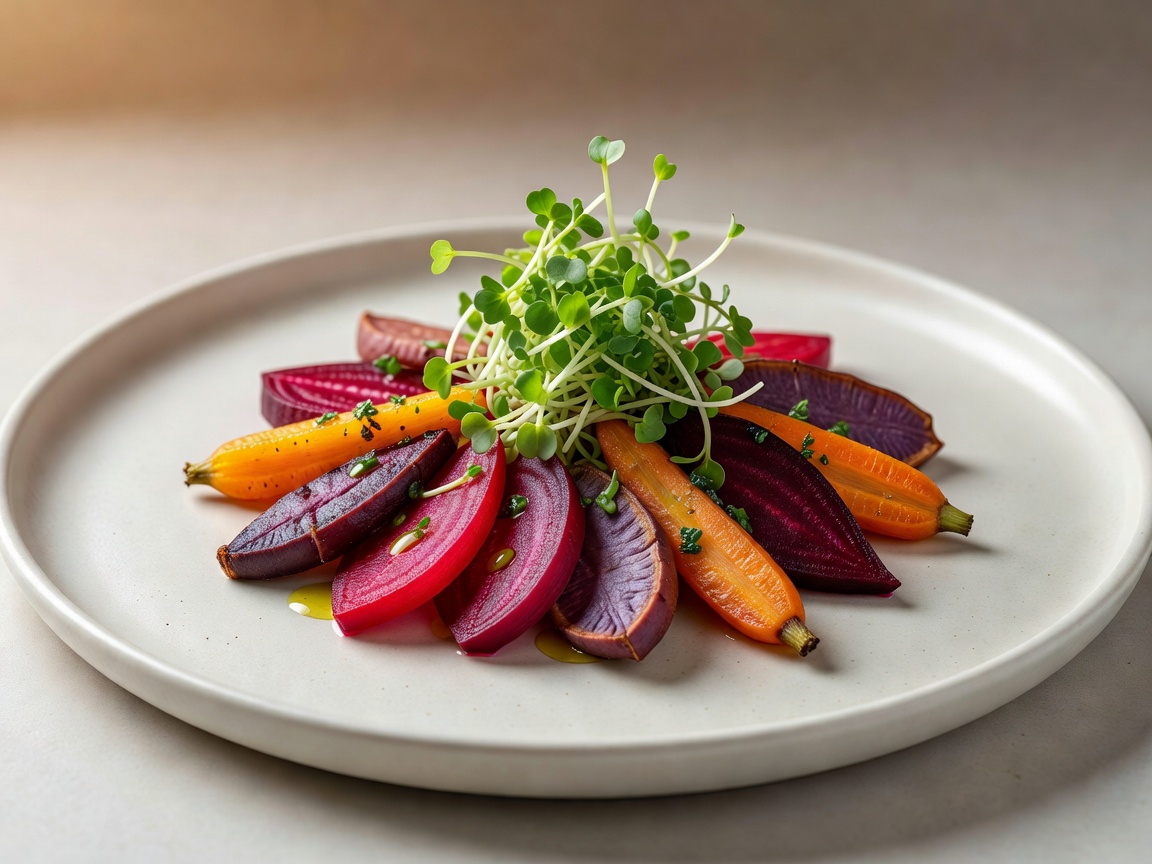
The culinary world is undergoing a profound dietary shift. What was once relegated to specialized, niche eateries has aggressively moved into the mainstream. Plant-based dining is no longer just an alternative; in many progressive culinary hubs, it is becoming the standard. This shift is driven by a confluence of environmental concerns, health consciousness, and ethical considerations surrounding animal agriculture.
Mainstreaming Vegan Options
Historically, a vegetarian or vegan diner in a standard restaurant was often met with an uninspired afterthought—a basic salad or a bland risotto. Today, a restaurant's viability often depends on its ability to cater intelligently to dietary preferences. Flexitarianism (eating predominantly, but not strictly, plant-based) has surged, meaning that meat-eaters are actively seeking out high-quality plant-based dishes.
Chefs are responding by treating vegetables with the same reverence historically reserved for prime cuts of meat. Techniques like slow-roasting, smoking, curing, and complex fermentation are being applied to root vegetables and fungi to create deep, umami-rich flavor profiles that satisfy the palate entirely on their own terms.
The Rise of Alternative Proteins
A massive catalyst for the plant-based revolution has been the rapid advancement of food technology. Plant-based meats engineered to mimic the bleeding, searing, and textual qualities of beef and chicken have infiltrated everything from global fast-food chains to independent gastropubs.
While these highly processed alternative proteins are invaluable for transitioning traditional meat-eaters away from animal products, there is a growing counter-movement within high-end dining. Many purist chefs eschew lab-engineered patties in favor of whole-food plant-based cooking, preferring to celebrate the inherent qualities of legumes, grains, and seasonal produce rather than trying to replicate meat.
Challenges in High-End Plant-Based Dining
Elevating plant-based food to Michelin-star standards presents unique challenges. The traditional pillars of classical French culinary technique rely heavily on butter, cream, and meat stocks to build body, richness, and mouthfeel in sauces. Stripped of these crutches, chefs must rely on advanced techniques—such as utilizing nuts, seeds, specialized starches, and extensive fermentation—to build comparable depth and luxurious texture.
Furthermore, altering consumer perception regarding value remains an ongoing battle. Diners are historically conditioned to equate high prices with luxury animal proteins (steak, lobster). Convincing a guest to pay a premium price for a menu composed entirely of vegetables requires flawless execution, exceptional service, and compelling storytelling to justify the perceived value.
The Future: Beyond the Trend
The plant-based dining movement has definitively moved past the status of a passing trend into a permanent structural shift in how restaurants operate. Menus are becoming more flexible, chefs are becoming more versatile, and the definition of a complete, satisfying meal is being rewritten. As agricultural practices face mounting environmental pressures, plant-based dining offers a viable, innovative, and delicious path forward for the hospitality industry.