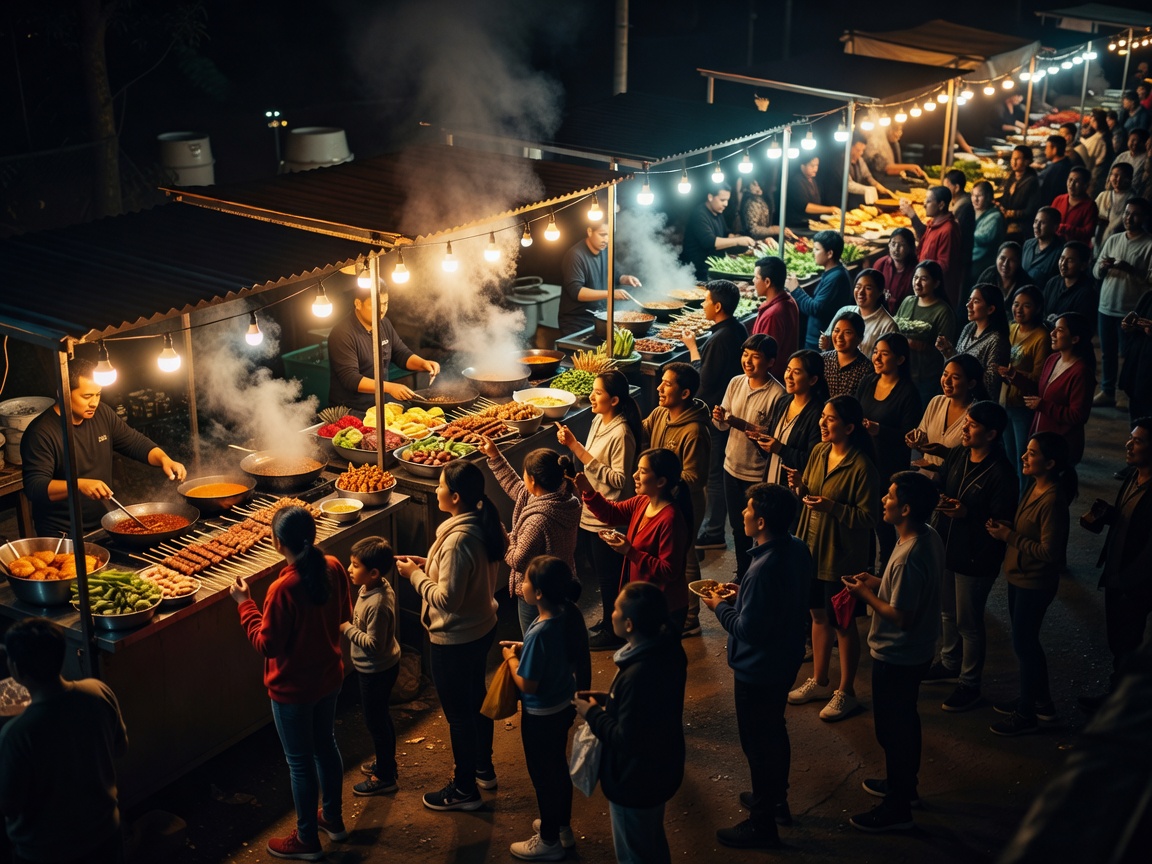
Street food has historically been the great equalizer of culinary culture. Affordable, fast, and intensely flavorful, it serves as the beating heart of metropolitan centers worldwide. However, over the past decade, the perception and reality of street food have dramatically shifted. What was once purely utilitarian sustenance for the working class has been elevated to a sought-after cultural experience.
The Rise of Food Trucks and Curated Markets
The modern street food renaissance was heavily catalyzed by the food truck boom. By dramatically lowering the barrier to entry compared to brick-and-mortar restaurants, food trucks allowed innovative chefs to experiment with fusion concepts and niche cuisines. This mobility brought high-quality, diverse food directly to business districts, festivals, and underserved neighborhoods.
Following the success of mobile vendors, cities began seeing a massive influx of curated food halls and formalized street food markets. These environments attempt to capture the chaotic charm of traditional night markets while offering controlled hygiene standards, central seating, and integrated bar programs. While highly successful, these venues often strip away some of the grit that makes traditional street food authentic.
Authenticity vs. Commercialization
As street food becomes highly marketable, a tension arises between authenticity and commercialization. When a traditional family recipe is adapted for a trendy food hall, priced at a premium, and marketed via social media, the core audience and cultural context change. The aestheticization of street food often means that presentation takes precedence over heritage.
However, this mainstreaming also has undeniable benefits. It provides a platform for immigrant and minority chefs to showcase their regional cuisines to a broader audience without having to secure massive capital for a traditional restaurant lease. It fosters cross-cultural exchange and expands the collective palate of a city's demographic.
The Economics of Street Food Operations
The financial model of a street food stall is distinct from a traditional restaurant, presenting unique pros and cons:
- Low Initial Capital: Launching a stall or truck requires a fraction of the investment needed for a leased building, making it accessible to young entrepreneurs.
- High Volume, Low Margin: Success relies entirely on speed and volume. Without alcohol sales (usually) to bolster margins, vendors must serve hundreds of customers efficiently to turn a profit.
- Weather Dependence: Outdoor markets are highly susceptible to seasonality and inclement weather, leading to unpredictable revenue streams.
The Future of Informal Dining
The line between street food and formal dining continues to blur. It is not uncommon to see Michelin-starred chefs launching casual street food concepts, or street food vendors achieving such cult status that they eventually open highly successful brick-and-mortar empires. The core appeal remains unchanged: immediate, transparent cooking that delivers maximum flavor with minimal pretense.