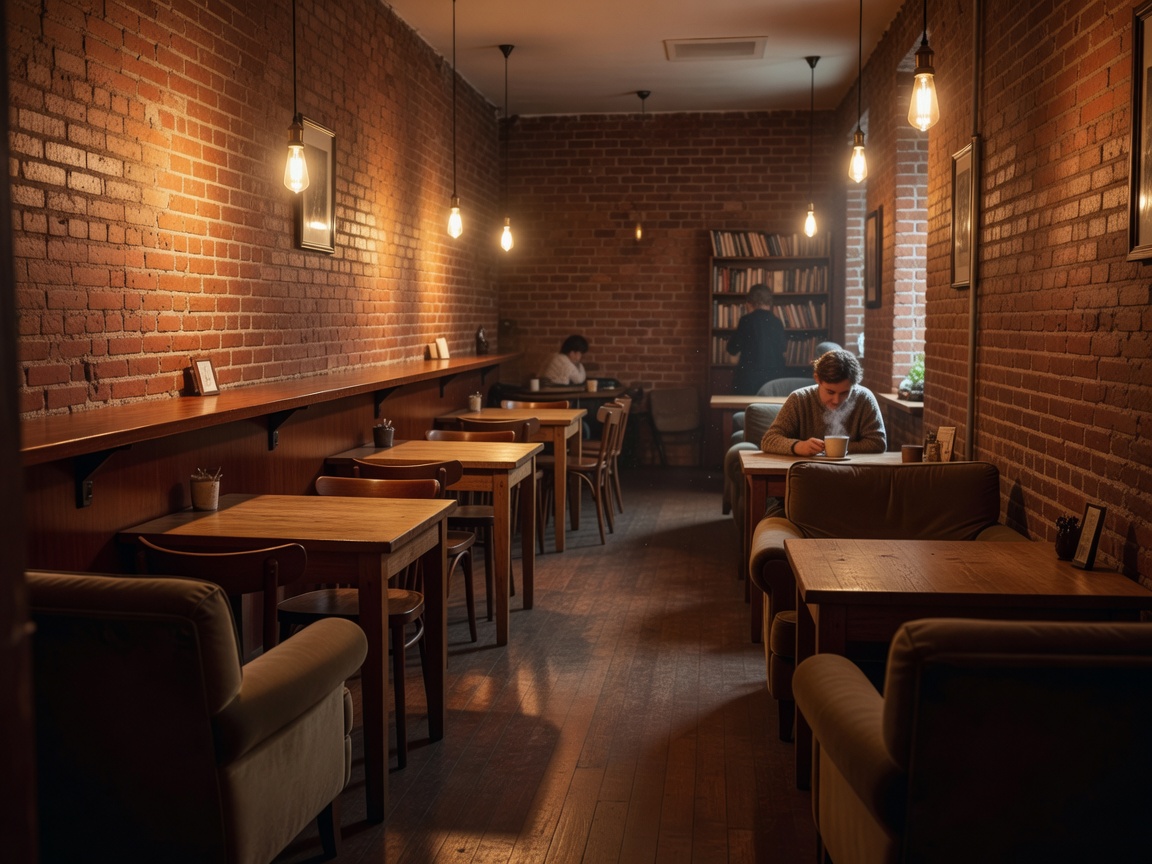
While massive, uniform coffee chains dominate global intersections, a parallel culture of independent, neighborhood cafés continues to thrive quietly in the background. These "hidden gems" operate on a fundamentally different philosophy. They are not merely transactional spaces for caffeine acquisition; they are carefully cultivated environments designed to foster community, highlight artisanal craft, and provide refuge.
The Café as the "Third Place"
Sociologists frequently refer to the concept of the "third place"—a social environment entirely separate from the two usual social environments of home (first place) and the workplace (second place). The independent café is the quintessential modern third place. It offers a low-stakes gathering point where community members can interact, remote workers can find focus, and creatives can network.
The design of these spaces reflects this purpose. Unlike chains optimized for rapid customer turnover, hidden gems often prioritize comfort. You will find mismatched vintage furniture, abundant natural light, integrated community notice boards, and acoustics designed to allow for intimate conversation over background jazz or indie playlists.
Specialty Coffee Trends
The culinary anchor of these establishments is, naturally, the coffee program. Independent cafés are the primary drivers of the specialty coffee movement. They emphasize single-origin beans, light-to-medium roast profiles that highlight terroir (much like wine), and precise, manual brewing methods like pour-overs and siphon brewing.
Baristas in these environments are highly trained technicians. They must understand extraction yields, water chemistry, and grind dial-ins. The focus is on transparency and education, often providing customers with detailed flavor notes and origin stories about the specific cooperative that grew the beans in their cup.
The Economics of the Neighborhood Café
Despite their cultural importance, operating an independent café is financially precarious. The core product—a cup of coffee—has a relatively low price ceiling. Consumers are highly sensitive to price increases in daily habits. Therefore, a café must move a massive volume of coffee to cover overhead costs like rent, utilities, and wages.
To survive, successful operators must aggressively increase their average transaction value. This is typically achieved by:
- In-house Baking: Offering high-margin, freshly baked pastries and breads that naturally pair with coffee.
- Retail Merchandising: Selling bags of roasted beans, branded apparel, and high-end brewing equipment for home use.
- Extended Hours: Transitioning the space into a natural wine bar or craft beer venue in the evening to capture an entirely different revenue stream.
Navigating the Future
The independent café sector faces ongoing challenges from rising commercial rents and the increasing consolidation of the commercial coffee supply chain. However, their core strength—the ability to foster genuine, localized human connection—is something large corporate chains struggle to replicate. As urban environments become increasingly digitized and isolated, the tangible warmth of the neighborhood hidden gem will only grow in cultural value.